I had prepared for retirement.
I had worked, built a career, raised a family, accumulated assets, purchased insurance, owned property, and done many of the things we are taught responsible adults are supposed to do.
I thought I was prepared.
Then I began asking myself a different question:
If I weren’t here tomorrow, would my family know what I know?
Would they know where to find everything? Would they know what I owned, what accounts existed, which documents mattered, or whom to contact? Would they understand the decisions I had already made or the decisions I still needed to make?
And beyond the paperwork, would they know what I wanted them to remember, preserve, and carry forward?
The more I thought about those questions, the more I realized something important:
Having your affairs in order and having an organized legacy are not necessarily the same thing.
That realization became the beginning of Past to Posterity.
Because our families shouldn’t have to figure everything out after we’re gone.
For many people, legacy planning begins with a sentence we’ve repeated for years:
“I need to get my affairs in order.”
We know there are things we should do.
Make a will. Review beneficiaries. Gather insurance information. Identify important accounts. Talk to our families. Document our wishes. Meet with an attorney.
But knowing we should do something and knowing where to begin are two very different things.
The process can feel overwhelming.
Important papers may be scattered throughout the house. Financial information may exist across multiple accounts. Passwords are stored in our heads. Beneficiary designations haven’t been reviewed. Family members know pieces of the story, but perhaps no one knows the whole story.
And because there isn’t an immediate crisis, it’s easy to put everything off until another day.
I understand that feeling.
It’s why I created Past to Posterity LLC.
Past to Posterity helps individuals and families begin before the crisis by bringing greater order, clarity, and intention to the information and decisions that make up their legacy.
It means knowing what you have.
Knowing where important information is located. Knowing what decisions still need to be made. Knowing who needs to know what.
And understanding what you want to pass forward not only financially, but personally.
Legacy preparation can include organizing important documents, identifying assets and obligations, reviewing beneficiary information, documenting wishes, considering decision-makers, preparing questions for professional advisors, and having conversations with the people who matter.
But I believe it should also include something deeper.
What are you trying to preserve? What values shaped your life? What lessons did it take you decades to learn? What family stories shouldn’t disappear? What opportunities do you hope the next generation will have because of the decisions you’re making today?
That’s why Past to Posterity looks at legacy through three interconnected areas:
VISION. VALUES. WEALTH.
Vision asks where you want your family to go. Values identify what you want them to carry with them. Wealth considers what resources you’re building, organizing, protecting, and preparing to pass forward.
Legacy becomes more meaningful when all three are considered together.

Estate planning attorneys, financial advisors, accountants, insurance professionals, and other qualified professionals play important roles in helping families plan and protect their futures.
Past to Posterity does not replace them.
We help you prepare for them.
Before an attorney can draft documents around your wishes, you have to begin thinking about what those wishes are.
Before you can have productive conversations about your financial future, it helps to understand what you own, what you owe, what you’ve already put in place, and what questions remain unanswered.
And before your family can carry out your intentions, someone has to communicate them.
Past to Posterity helps you do the organizational and educational work that can make those conversations more productive.
We help you move from:
“I really need to get this together.”
to
“I know what I have, I know what needs attention, and I know my next step.”
Author. Educator. Speaker. Podcast Host. Legacy Advocate.
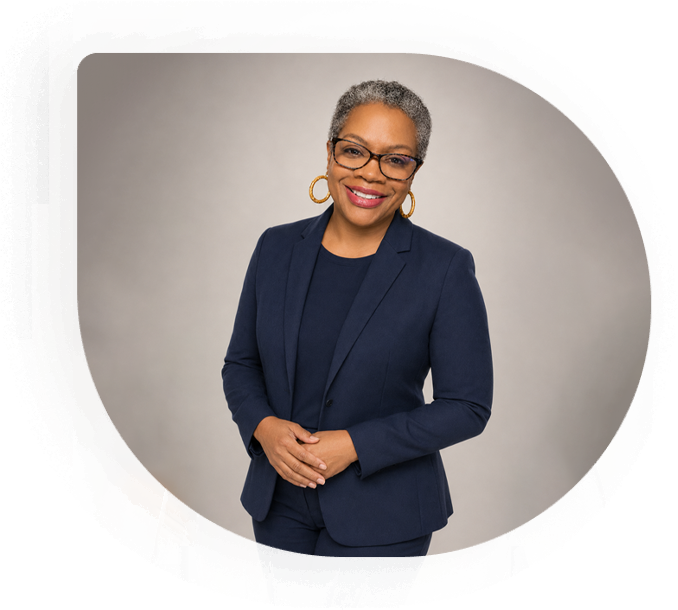
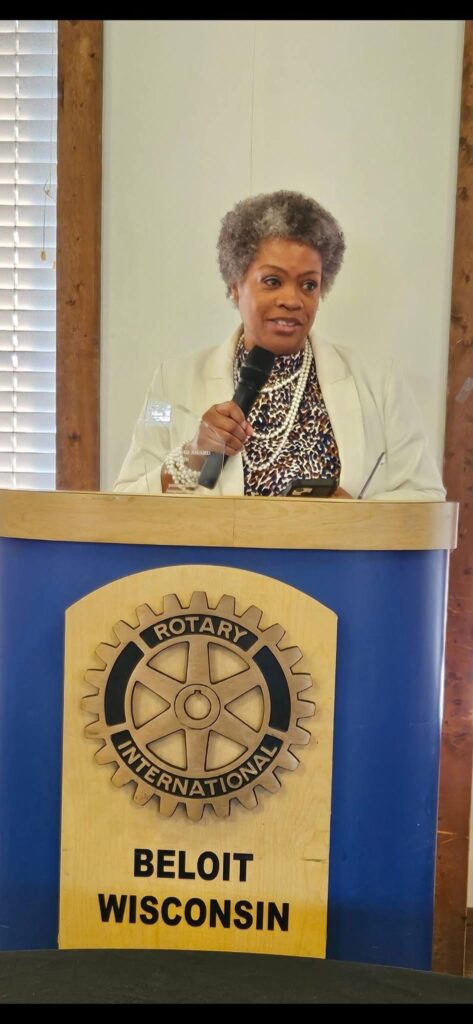
Florence G. Haley is the founder of Past to Posterity LLC, a legacy education and preparedness company helping individuals and families bring greater order and intention to what they will one day leave behind.
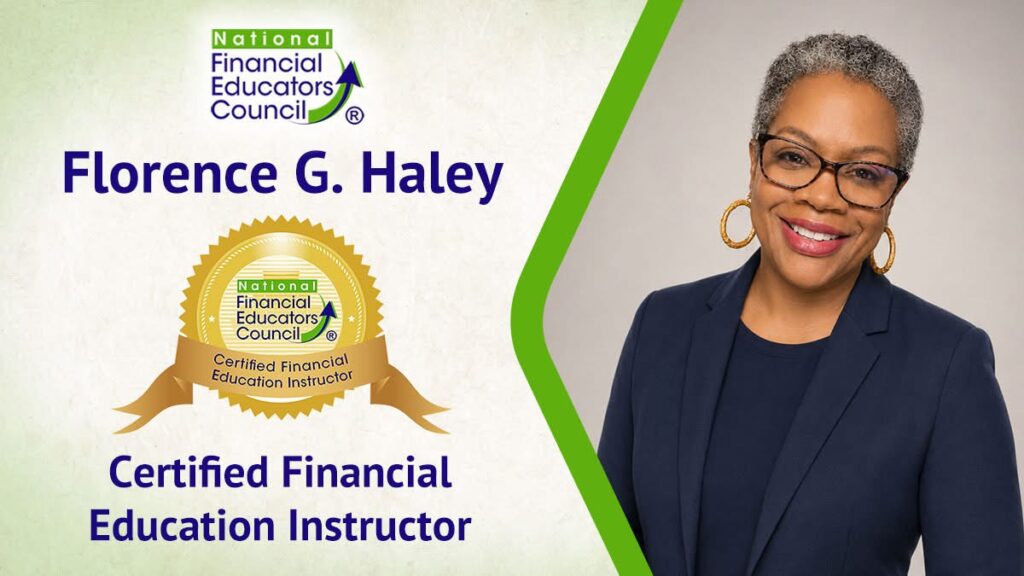
She is the author of Black Dollar Daze, a Certified Financial Education Instructor℠, and a speaker and educator whose work explores the intersection of financial education, ownership, family preparedness, community, and legacy.
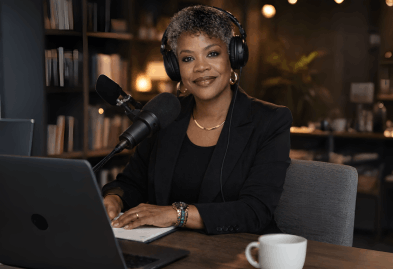
Florence created the Past to Posterity podcast because she believes some of the most valuable things we can pass forward begin with conversations.
Not just conversations with experts.
Conversations between spouses.
Between parents and children.
Between grandparents and grandchildren.
Between community leaders and the people coming behind them.
And sometimes, conversations we first need to have with ourselves.
Her goal isn’t to tell listeners exactly what their legacy should look like.
It’s to encourage them to ask better questions about what they’re building, organizing, preserving, and passing forward.
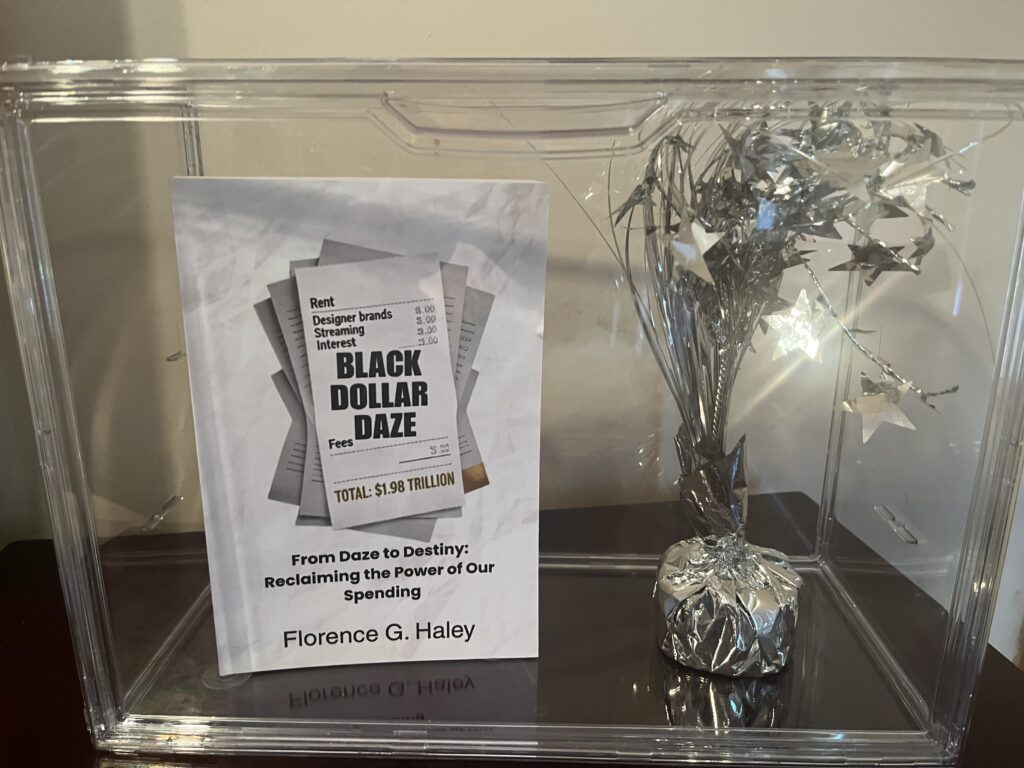
Florence’s work as an author has become another avenue for exploring that question.
Her book, Black Dollar Daze, examines the relationship between buying power, ownership, wealth building, community economics, and what remains for future generations.
The book challenges readers to look beyond how much money passes through our hands and consider what we are building with it.
That conversation ultimately leads back to legacy.
Because earning is not enough. Spending is not enough. Even accumulating assets isn’t enough if the knowledge, preparation, values, and systems necessary to preserve them aren’t passed forward.
Florence continues exploring those ideas through her writing, speaking, educational programs, and the Past to Posterity podcast.
Conversations worth passing forward.
The Past to Posterity podcast expands the legacy conversation beyond paperwork and inheritance.
Florence sits down with professionals, community leaders, entrepreneurs, educators, and everyday legacy builders to explore the choices that shape families and generations.
Conversations examine topics such as financial education, wealth, ownership, family preparedness, entrepreneurship, identity, community, values, history, and the lessons we want future generations to inherit.
Because sometimes the most valuable thing one generation can give another is a conversation they were willing to have.
Legacy deserves more than one conversation.
The Past to Posterity podcast explores the decisions, experiences, challenges, and opportunities that shape what we pass from one generation to the next.
Through conversations about family, money, ownership, values, preparation, community, and purpose, Florence and her guests challenge listeners to ask:
What am I building today that can still matter tomorrow?
Listen wherever you enjoy podcasts.
Posterity means future generations.
And those two words capture the heart of this work.
We inherit something from the past.
Some of it is financial. Some of it is cultural. Some of it is wisdom. Some of it is opportunity. And some of it may be patterns we decide should end with us.
Every generation gets an opportunity to decide what happens next.
What will we preserve? What will we change? What will we build? What will we organize? What will we teach? And what will we intentionally place into the hands of those who follow us?
That is the journey from past to posterity.
I envision families having legacy conversations around the kitchen table long before those conversations are forced upon them in hospital rooms, funeral homes, attorneys’ offices, or moments of crisis.
I envision parents and grandparents being able to say:
“Here’s what you need to know.” “Here’s where everything is.” “Here’s what I’ve put in place.” “Here’s what still needs to be done.” “Here’s what matters to me.”
And perhaps most importantly:
“Here’s what I hope you build from what I’ve given you.”
That’s what bringing order to legacy means to me.
Not preparing to die. Preparing what should continue.
It is already being built.
You don’t need to have everything figured out before you start.
You don’t need tremendous wealth.
And you don’t need to wait for a crisis, diagnosis, retirement, or a certain age to begin thinking about what comes next.
Start with what you have. Start with what you know. Start with one document. One conversation. One decision. One organized step.
Bring Order to Legacy™